Emotional Pain: The Invisible Suffering of the Brain
Explore the roots of emotional pain and psychological suffering caused by neural and chemical imbalances. Learn how these issues affect mood, memory, and daily life, and the importance of compassion and early treatment.
Md Abdullahel Kafi
12/26/202510 min read

The Nature of Emotional Pain
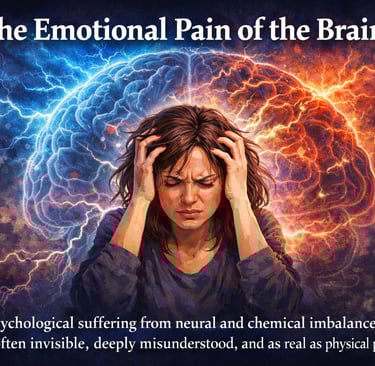
Emotional pain is a profound experience that is often overlooked in discussions surrounding mental health. Unlike physical pain, which is localized and typically has a direct physiological cause, emotional pain is more diffuse and complex. It manifests as feelings of sadness, anxiety, grief, or despair, which can be triggered by various life events, relationships, or internal struggles. While physical pain may be easily measured using diagnostic tools, emotional pain remains an invisible aspect of human experience, making it challenging for both those who suffer from it and those seeking to understand it.
One of the key distinctions between emotional and physical pain lies in their underlying mechanisms. Emotional suffering is intricately linked to neurobiological factors within the brain. Research suggests that emotional pain arises from a combination of neural pathways and chemical imbalances that affect our mood and perception. For instance, neurotransmitters such as serotonin, dopamine, and norepinephrine play significant roles in regulating emotions, and alterations in these chemicals can lead to heightened sensitivity to emotional distress. This implies that emotional pain is not merely a psychological phenomenon, but is rooted in biological processes that govern our emotional state.
The interactions within the brain involved in emotional pain are complex and multifaceted. Factors such as trauma, chronic stress, and unresolved grief can contribute to the development of emotional suffering. These experiences can lead to dysregulation within the brain's emotional centers, such as the amygdala and prefrontal cortex, which can exacerbate feelings of distress. Understanding the nature of emotional pain through this lens highlights the importance of a holistic approach to mental health, one that recognizes the intricate interplay between emotional experiences and the brain’s physiological state. By exploring these connections, individuals can better comprehend the invisible suffering that often accompanies emotional turmoil, paving the way for more effective coping strategies and therapeutic interventions.
The Neurobiology of Psychological Suffering
The neurobiology of psychological suffering is a multifaceted area of study that delves into how structural and functional changes in the brain can influence our emotional state. Understanding these alterations is crucial in comprehending conditions such as trauma, depression, anxiety, and the effects of chronic stress. Neuroimaging studies have shown that these psychological experiences are accompanied by observable modifications in brain circuits, particularly in regions such as the prefrontal cortex, amygdala, and hippocampus, which are integral to emotion regulation and fear processing.
Trauma, for instance, can lead to hyperactivity in the amygdala, which is responsible for emotional responses like fear and aggression. This heightened state can result in persistent feelings of anxiety and stress. Similarly, in individuals suffering from depression, there is often a noticeable decrease in activity within the prefrontal cortex, impairing one’s ability to regulate emotions effectively. The interplay between these brain regions can create a feedback loop where emotional pain exacerbates neural dysfunction, leading to heightened psychological suffering.
Neurotransmitters also play a significant role in this equation. Chemicals such as serotonin, dopamine, and norepinephrine are crucial for mood regulation and emotional resilience. Inadequate levels of these neurotransmitters can contribute to feelings of hopelessness and despair, often observed in depressive disorders. Additionally, the formation of new neural pathways, a process known as neuroplasticity, is essential in recovery. Therapeutic interventions, whether pharmacological or psychotherapeutic, aim to correct these neurochemical imbalances and restore functional connectivity within the brain.
In conclusion, the neurobiological aspects of emotional pain highlight the complex interactions between brain structure, neurotransmitter function, and psychological health. Gaining insights into these mechanisms allows for a better understanding of emotional distress and informs more effective treatment strategies for those navigating the invisible suffering associated with psychological conditions.
Impact of Emotional Pain on Daily Life
Emotional pain profoundly affects multiple aspects of daily life, leading to significant disruptions in memory, sleep, decision-making abilities, and self-worth. The brain's response to emotional distress can result in cognitive impairments, causing challenges in retaining and recalling information. Individuals may find it difficult to concentrate on tasks or to remember responsibilities, which can ultimately impact their academic performance or job efficiency.
Sleep disturbances are another common consequence of emotional pain. Stress, anxiety, and depression can upset the natural sleep cycle, resulting in insomnia or excessive sleeping. In both scenarios, the quality of sleep deteriorates, which further exacerbates emotional distress. Lack of restorative sleep can impair cognitive functions, undermine physical health, and lead to a vicious cycle of emotional pain and decreased well-being.
Moreover, decision-making abilities often become compromised under the weight of emotional suffering. The prefrontal cortex, which governs reasoning and executive functions, can become less effective due to heightened emotional pain. This can lead to indecisiveness or poor judgment in everyday decisions, affecting personal and professional relationships.
Self-worth is also critical for emotional health, and enduring emotional pain can lead to a marked decrease in how individuals perceive their value. Such a decline in self-esteem can inhibit people from pursuing opportunities or forming new connections, further isolating them. This detrimental cycle reinforces the notion of worthlessness, often leading individuals to experience emotional pain more acutely.
In summary, emotional pain influences critical cognitive functions, affecting memory retention, sleep quality, decision-making, and self-esteem. By understanding these impacts, we gain insight into the pervasive nature of emotional distress and its far-reaching effects on daily life.
The Severity of Invisible Pain
Emotional pain is often regarded as an intangible experience, yet its effects can be profoundly debilitating, comparable to physical pain. Many individuals grappling with emotional suffering are often met with skepticism or lack of understanding from society. This misconception arises from a tendency to prioritize visible physical ailments over psychological ones, leading to a pervasive stigma surrounding mental health issues. The severity of invisible pain must be taken seriously, as it can significantly impair daily functioning, relationships, and overall well-being.
Individuals experiencing emotional pain may undergo a range of symptoms, such as anxiety, depression, and a profound sense of despair. These symptoms can create barriers to social interaction and can severely limit a person's capacity to engage in daily life. The struggle becomes an internal battle, where the absence of physical symptoms often leads others to question the authenticity of their distress. This dismissal reinforces a harmful cycle of isolation and exacerbates emotional suffering.
Moreover, emotional pain can manifest in various forms, including grief from loss, trauma responses, or prolonged stress, rendering it a complex experience that requires validation. It is crucial to acknowledge that the absence of visible injury does not negate the severity of psychological pain. Studies indicate that chronic emotional distress can lead to physiological changes in the brain, reinforcing the idea that psychological suffering is equally as valid as its physical counterpart.
Recognizing the challenges posed by emotional pain is the first step toward fostering a supportive environment. Society must work to de-stigmatize mental health issues, encouraging individuals to seek help without fear of judgment. By validating these experiences, we can foster greater understanding and empathy toward those silently enduring the depths of invisible pain.
Stigmas and Misunderstandings Around Emotional Pain
Emotional pain is often shrouded in stigma, which significantly affects the individuals experiencing it. Society typically equates pain with physical injuries, leading to a misunderstanding of the validity and depth of emotional suffering. As a result, many individuals who endure psychological distress may feel isolated and reluctant to voice their struggles. This stigma can arise from deeply held beliefs that view emotional pain as a sign of weakness or a lack of resilience. Consequently, such perceptions hinder open discussions about mental health, contributing to a culture where emotional suffering is overlooked or trivialized.
The repercussions of these societal beliefs can be severe. Individuals grappling with emotional pain may internalize feelings of shame and guilt, further compounding their discomfort. The fear of being judged can act as a barrier, preventing them from seeking necessary help and treatment. When emotional pain is dismissed or minimized, it fosters an environment where those in need of support remain silent. This silence not only exacerbates their suffering but also perpetuates the cycle of misunderstanding surrounding mental health issues.
Moreover, the misconceptions surrounding emotional pain extend to the healthcare system. Medical professionals, influenced by societal stigmas, may overlook the significance of emotional suffering in favor of treating physical symptoms. This oversight can lead to inadequate care and a failure to validate the experiences of those enduring emotional distress. It is crucial to challenge these stigmas through education and awareness, fostering a more empathetic understanding of emotional pain.
Addressing the stigma associated with emotional suffering is essential for creating a supportive environment where individuals feel empowered to seek help. By promoting understanding and compassion, society can dismantle barriers, ultimately leading to improved mental health outcomes for those experiencing emotional pain.
The Importance of Compassion and Early Intervention
Compassion plays a pivotal role in addressing emotional pain, which often goes unnoticed by those around individuals suffering from it. When people experience emotional distress, they may withdraw and isolate themselves, making it challenging for friends and family to recognize their struggles. Therefore, fostering a culture of compassion is essential. Compassionate support can significantly help individuals feel understood and validated, encouraging them to seek help. A compassionate response not only reassures the affected individuals but also helps reduce the stigma surrounding mental health issues.
Early intervention is crucial when it comes to managing emotional pain effectively. Research has shown that timely access to therapeutic support can lead to better mental health outcomes. Therapy provides a safe space for individuals to explore their feelings, learn coping strategies, and develop skills to manage their emotional pain. Various types of therapy, such as cognitive behavioral therapy (CBT), can be tailored to meet individual needs, addressing specific challenges faced by those suffering from emotional distress.
Moreover, medication can also play a significant role in alleviating emotional pain. When prescribed appropriately, medications can help stabilize mood and reduce anxiety, allowing individuals to engage more effectively in therapy. It is important to have open dialogues with healthcare professionals to determine the most suitable course of action, as the combination of therapy and medication has proven beneficial for many.
Creating supportive environments in various settings—be it at home, in the workplace, or within communities—helps to reinforce the importance of compassionate approaches and early intervention. Encouraging open conversations about emotional pain and providing resources for those in need can foster a culture where individuals feel safe seeking help. By prioritizing compassion and early intervention, society can make significant strides toward improving mental health outcomes and reducing the prevalence of untreated emotional suffering.
Paths to Healing Emotional Brain Pain
Emotional pain, while often invisible, can have profound effects on a person's overall well-being. To address this suffering, a multi-faceted approach to healing is essential. This encompasses a blend of therapeutic strategies, self-help techniques, and the cultivation of support systems.
Therapeutic approaches vary widely, encompassing cognitive behavioral therapy (CBT), mindfulness practices, and psychotherapy. CBT helps individuals identify and challenge irrational thoughts, while mindfulness promotes present-moment awareness, allowing individuals to process their emotional pain without judgment. Psychotherapy, particularly forms like dialectical behavior therapy (DBT), provides frameworks for understanding emotional regulation and developing coping strategies.
Alongside professional therapy, incorporating self-help strategies can enhance the journey toward emotional healing. Engaging in regular physical activity has been shown to release endorphins, which help alleviate feelings of sadness and anxiety. Additionally, expressive writing can be a powerful tool for processing emotions, as it allows individuals to articulate and make sense of their feelings.
Creating a holistic recovery plan is crucial; this plan should include not only therapeutic modalities but also mindfulness practices, nutritional support, and adequate sleep. Addressing these lifestyle factors can significantly improve resilience to emotional pain.
Moreover, connecting with supportive communities, be it through peer support groups or online forums, fosters a sense of belonging and validation. Sharing experiences with others who understand similar struggles can significantly lighten the emotional burden. Additionally, professional support from psychologists, counselors, or therapists thus remains pivotal in navigating the complexities of emotional pain.
Ultimately, healing emotional brain pain is a personalized journey, requiring a combination of therapies, proactive self-care, and social connections. As individuals work towards recovery, they often find that these paths facilitate a deeper understanding of themselves and their emotions.
References
American Psychiatric Association. (2022). DSM-5-TR: Diagnostic and statistical manual of mental disorders (5th ed., text rev.). American Psychiatric Publishing.
Eisenberger, N. I. (2012). The pain of social disconnection: Examining the shared neural underpinnings of physical and social pain. Nature Reviews Neuroscience, 13(6), 421–434. https://doi.org/10.1038/nrn3231
Grande, I., Berk, M., Birmaher, B., & Vieta, E. (2016). Bipolar disorder. The Lancet, 387(10027), 1561–1572. https://doi.org/10.1016/S0140-6736(15)00241-X
McEwen, B. S., & Morrison, J. H. (2013). The brain on stress: Vulnerability and plasticity of the prefrontal cortex over the life course. Neuron, 79(1), 16–29. https://doi.org/10.1016/j.neuron.2013.06.028
National Institute of Mental Health. (2023). Depression. https://www.nimh.nih.gov/health/topics/depression
Panksepp, J. (2011). The basic emotional circuits of mammalian brains: Do animals have affective lives? Neuroscience & Biobehavioral Reviews, 35(9), 1791–1804. https://doi.org/10.1016/j.neubiorev.2011.08.003
Price, D. D. (2000). Psychological and neural mechanisms of the affective dimension of pain. Science, 288(5472), 1769–1772. https://doi.org/10.1126/science.288.5472.1769
World Health Organization. (2023). Mental health. https://www.who.int/health-topics/mental-health

1. What is meant by the emotional pain of the brain?
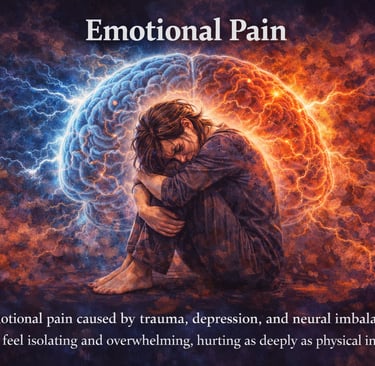
The emotional pain of the brain refers to psychological suffering that arises from changes in brain chemistry, neural circuits, and emotional processing systems. Unlike physical pain, it is invisible but deeply real, affecting mood, thoughts, behavior, and overall functioning.
2. Is emotional pain as real as physical pain?
Yes. Research shows that emotional pain activates many of the same brain regions as physical pain. Although it cannot be seen on the body, emotional suffering can be equally intense, long-lasting, and debilitating, requiring serious attention and treatment.
3. What causes emotional pain in the brain?
Emotional pain can be caused by trauma, chronic stress, grief, depression, anxiety, social rejection, or prolonged life difficulties. These experiences alter neurotransmitters and brain areas responsible for emotion regulation, increasing sensitivity to psychological distress.
4. How does emotional pain affect daily life?
Emotional pain can impair memory, concentration, sleep, decision-making, motivation, and self-esteem. It often disrupts work performance, relationships, and personal goals, creating a cycle where distress worsens overall quality of life.
5. Why is emotional pain often misunderstood?
Because emotional pain lacks visible injury, it is frequently dismissed as weakness or exaggeration. Social stigma and lack of awareness contribute to misunderstanding, causing many individuals to suffer silently without validation or timely support.
6. Can emotional pain change the brain?
Yes. Prolonged emotional distress can alter brain structure and function, especially in areas like the amygdala, hippocampus, and prefrontal cortex. These changes affect emotional regulation, stress responses, and cognitive control, reinforcing ongoing suffering.
7. How is emotional pain treated?
Treatment may include psychotherapy, medication, stress management, lifestyle changes, and social support. Therapies such as cognitive behavioral therapy help reframe thought patterns, while medications can correct chemical imbalances contributing to emotional pain.
8. Why is early intervention important?
Early intervention prevents emotional pain from becoming chronic and causing long-term brain changes. Timely treatment improves recovery outcomes, reduces disability, and helps individuals regain emotional stability and daily functioning sooner.
9. How does compassion help emotional pain?
Compassion from others reduces isolation, shame, and stigma. Feeling understood and supported helps regulate emotional responses in the brain, encourages help-seeking behavior, and strengthens the healing process.
10. Can people fully recover from emotional brain pain?
Many people experience significant improvement or recovery with proper treatment, support, and self-care. While emotional pain may not disappear instantly, understanding the brain-based nature of suffering empowers individuals to heal and regain control over their lives.