Protect Suicide
How to Stop Suicidal Thoughts, Ideation, and Attempts
How to Stop Suicidal Thoughts, Ideation, and Attempts
Suicidal thoughts, ideation, and attempts are not signs of weakness—they are signals of overwhelming psychological pain. Millions of people worldwide experience suicidal thoughts at some point in their lives, often silently. Understanding how to stop suicidal thinking requires recognizing its biological, psychological, and social roots, and responding with timely, compassionate, and evidence-based strategies. Suicide is preventable, and recovery is possible with the right support.
Understanding Suicidal Thoughts and Ideation
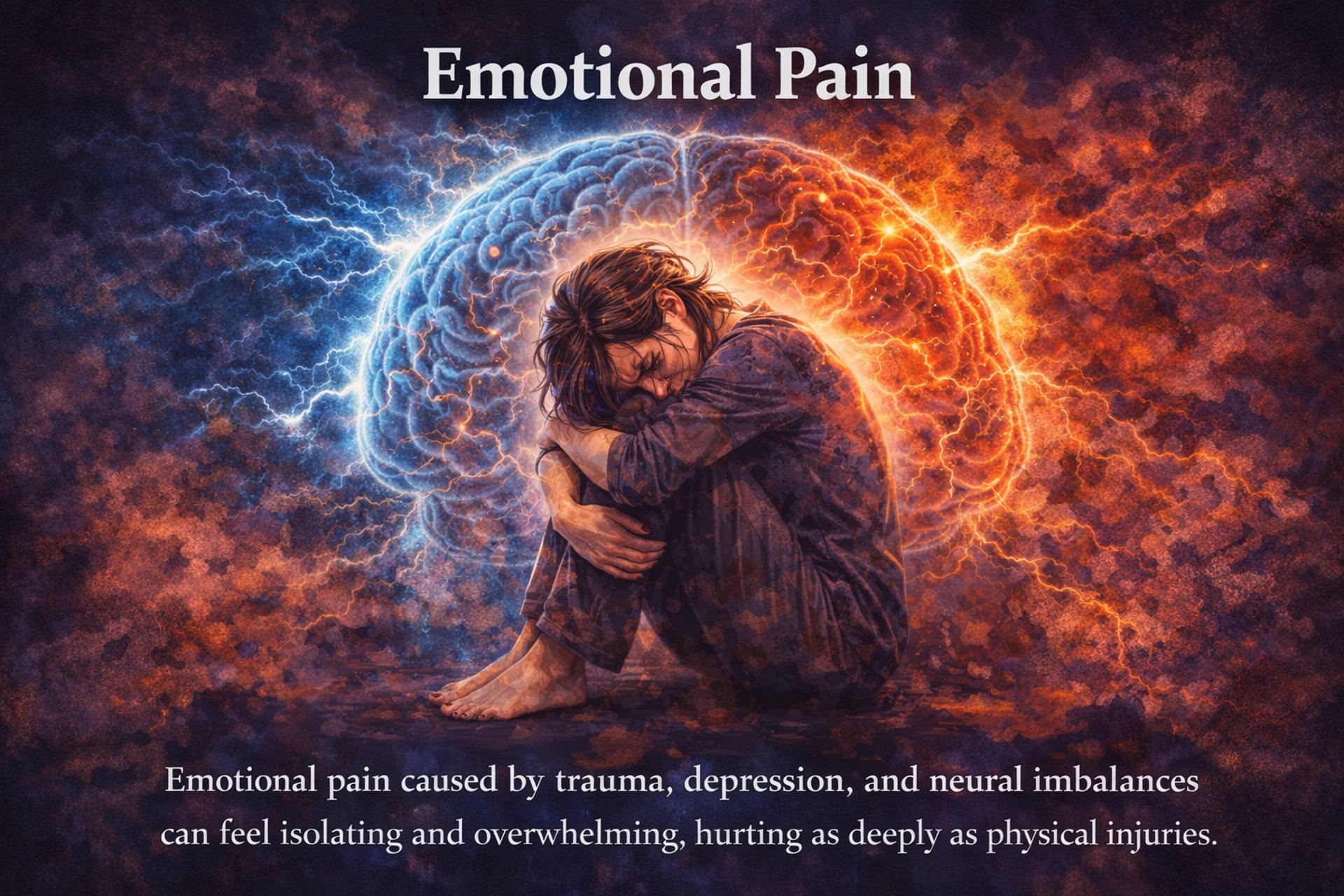
Suicidal ideation refers to thinking about, considering, or planning suicide. These thoughts often emerge during periods of intense emotional distress, such as severe depression, bipolar disorder, anxiety disorders, trauma, substance use, or major life crises. Neurobiological research shows that suicidal ideation is linked to disruptions in brain regions responsible for emotional regulation, impulse control, and decision-making.
During emotional crises, the brain can enter a state of “cognitive narrowing,” where pain feels permanent and escape seems impossible. This distorted perception is not a rational conclusion—it is a symptom of distress. Recognizing suicidal thoughts as a mental health emergency, rather than a personal failure, is the first step toward stopping them.
Immediate Steps to Reduce Suicidal Thoughts
When suicidal thoughts arise, immediate safety is the priority. Removing access to means of self-harm, such as medications, weapons, or sharp objects, significantly reduces the risk of attempts. Research consistently shows that limiting access to lethal means saves lives.
Grounding techniques can help reduce the intensity of suicidal thoughts in the moment. Slow breathing, cold water on the face, naming objects in the room, or focusing on physical sensations can help interrupt spiraling thoughts and calm the nervous system. These techniques do not “solve” the problem, but they create enough stability to seek further help.
Reaching out to another human being is critical. Suicidal thoughts thrive in isolation. Contacting a trusted friend, family member, therapist, or crisis hotline can immediately reduce risk. Speaking thoughts aloud often weakens their power.
Professional Treatment as a Core Prevention Strategy
Professional mental health treatment is one of the most effective ways to stop suicidal ideation long-term. Psychotherapy helps individuals understand the roots of their pain, challenge hopeless thinking, and develop coping skills. Cognitive Behavioral Therapy (CBT) and Dialectical Behavior Therapy (DBT) are particularly effective in reducing suicidal thoughts and behaviors.
Medication may also play a crucial role. Antidepressants, mood stabilizers, or antipsychotic medications can help correct neurochemical imbalances that contribute to suicidal thinking. Medication should always be managed by a qualified healthcare professional, with close monitoring—especially during early treatment phases.
Early and consistent treatment reduces recurrence and severity of suicidal ideation. Delaying care increases risk.
The Importance of Addressing Underlying Causes
Stopping suicidal thoughts requires more than crisis intervention; it involves addressing the underlying causes of suffering. Trauma, unresolved grief, chronic stress, financial hardship, relationship breakdowns, discrimination, and untreated mental illness all contribute to suicide risk.
Trauma-informed care is especially important. Past abuse, violence, or neglect can sensitize the brain’s stress response system, making individuals more vulnerable to suicidal ideation during emotional overload. Therapy focused on trauma processing helps restore emotional regulation and a sense of safety.
Substance use must also be addressed. Alcohol and drugs lower inhibition, worsen depression, and increase impulsivity—dramatically raising suicide risk. Reducing or eliminating substance use is a critical protective step.
Building Protective Factors Against Suicide
Protective factors are conditions that reduce the likelihood of suicidal behavior. Strong social connections, meaningful relationships, purpose, spirituality, cultural belonging, and access to care all act as buffers against suicidal thoughts.
Developing routines around sleep, nutrition, and physical activity supports brain health and emotional stability. Poor sleep, in particular, is strongly associated with suicidal ideation. Even small improvements in daily structure can significantly reduce risk.
A written safety plan is another powerful tool. A safety plan outlines personal warning signs, coping strategies, people to contact, and emergency steps. Creating this plan during periods of stability increases the likelihood of survival during crises.
The Role of Compassion and Self-Talk
Internal self-talk plays a major role in suicidal ideation. Depression and trauma often generate harsh, critical inner voices that reinforce hopelessness. Learning self-compassion—through therapy or guided practice—helps weaken these destructive patterns.
Replacing “I am a burden” with “I am struggling and deserve help” may feel unnatural at first, but repeated compassionate reframing changes neural pathways over time. The goal is not forced positivity, but realism grounded in self-worth.
When and How to Seek Emergency Help
If suicidal thoughts escalate into urges or plans, emergency help is essential. Crisis hotlines, emergency departments, and mobile crisis units are designed to provide immediate support and protection. Seeking emergency help is not failure—it is survival.
In the United States, dialing or texting 988 connects individuals to the Suicide & Crisis Lifeline. Similar services exist worldwide through local health authorities and organizations. Immediate help saves lives.
A Message of Hope
Suicidal thoughts are temporary, even when they feel endless. Many people who once believed they would not survive later describe deep gratitude for having stayed alive. Healing does not mean life becomes perfect—it means pain becomes manageable, meaning returns, and options reappear.
Stopping suicidal thoughts is a process, not a single action. With awareness, treatment, connection, and compassion, recovery is possible. You are not alone, and help is available.
References (APA Style)
American Psychiatric Association. (2022). DSM-5-TR: Diagnostic and statistical manual of mental disorders (5th ed., text rev.). American Psychiatric Publishing.
Centers for Disease Control and Prevention. (2023). Suicide data and statistics. https://www.cdc.gov/suicide
Hawton, K., Williams, K., & Wright, B. (2013). The impact of different patterns of suicide prevention strategies. The Lancet Psychiatry, 1(1), 73–81. https://doi.org/10.1016/S2215-0366(14)70221-2
Linehan, M. M. (2015). DBT skills training manual (2nd ed.). Guilford Press.
National Institute of Mental Health. (2023). Suicide. https://www.nimh.nih.gov/health/statistics/suicide
Stanley, B., & Brown, G. K. (2012). Safety planning intervention: A brief intervention to mitigate suicide risk. Cognitive and Behavioral Practice, 19(2), 256–264. https://doi.org/10.1016/j.cbpra.2011.01.001
World Health Organization. (2023). Suicide prevention. https://www.who.int/teams/mental-health-and-substance-use/suicide-data
Quick Answers; FAQs
1. What are suicidal thoughts and ideation?
Suicidal thoughts or ideation refer to thinking about death, wishing to stop existing, or considering suicide as an option. These thoughts can range from passive wishes to active planning. They are symptoms of psychological distress, not personal weakness, and often signal the need for immediate support and care.
2. Why do suicidal thoughts occur?
Suicidal thoughts usually arise from overwhelming emotional pain caused by mental health conditions such as depression, bipolar disorder, trauma, anxiety, substance use, or major life stressors. Brain chemistry changes and impaired emotional regulation can make pain feel permanent and escape seem impossible, even when solutions exist.
3. Are suicidal thoughts a mental health emergency?
Yes. Suicidal thoughts should always be treated as a mental health emergency. Even passive thoughts can escalate quickly. Early intervention, support, and professional care significantly reduce the risk of suicide and improve long-term recovery outcomes.
4. What should someone do immediately when suicidal thoughts appear?
Immediate steps include removing access to means of self-harm, using grounding techniques to calm the nervous system, and reaching out to a trusted person or crisis service. Talking to someone right away can reduce isolation and interrupt dangerous thought patterns.
5. How do grounding techniques help suicidal thoughts?
Grounding techniques help bring attention back to the present moment and reduce emotional intensity. Slow breathing, cold water on the face, sensory awareness, or naming objects around you can calm the brain and create enough stability to seek further help.
6. Can therapy really stop suicidal ideation?
Yes. Evidence-based therapies such as Cognitive Behavioral Therapy (CBT) and Dialectical Behavior Therapy (DBT) are proven to reduce suicidal thoughts and attempts. Therapy helps individuals understand their pain, challenge hopeless thinking, and develop safer coping strategies.
7. What role does medication play in preventing suicide?
Medication can be critical when suicidal thoughts are linked to depression, bipolar disorder, or other psychiatric conditions. Antidepressants, mood stabilizers, or antipsychotics help correct chemical imbalances in the brain and reduce emotional intensity when properly monitored by a professional.
8. Why is addressing trauma important in suicide prevention?
Unresolved trauma can dysregulate the brain’s stress response, increasing vulnerability to suicidal ideation. Trauma-focused therapy helps process painful experiences, restore emotional safety, and reduce the intensity and recurrence of suicidal thoughts.
9. How does substance use increase suicide risk?
Alcohol and drugs impair judgment, increase impulsivity, and worsen depression and anxiety. Substance use significantly increases the likelihood of suicide attempts, especially during emotional crises. Reducing or stopping substance use is a key protective factor.
10. What are protective factors against suicide?
Protective factors include strong social support, access to mental health care, meaningful relationships, purpose, cultural or spiritual connection, stable routines, and problem-solving skills. These factors buffer individuals against emotional crises and reduce suicide risk.
11. What is a safety plan, and why is it important?
A safety plan is a written guide that lists personal warning signs, coping strategies, trusted contacts, and emergency steps. Creating a safety plan during stable periods increases the likelihood of survival during moments of intense suicidal thinking.
12. How does self-compassion help reduce suicidal thoughts?
Self-compassion helps counter harsh self-criticism and feelings of worthlessness that fuel suicidal ideation. Learning to treat oneself with understanding and care gradually weakens destructive thought patterns and improves emotional resilience.
13. When should emergency help be sought?
Emergency help should be sought immediately if suicidal thoughts escalate into urges, plans, or intent. Crisis hotlines, emergency departments, and mobile crisis teams are designed to provide immediate protection and support during life-threatening moments.
14. Are suicidal thoughts permanent?
No. Suicidal thoughts are temporary, even when they feel endless. Many people who once felt hopeless later recover and are grateful they survived. With treatment, support, and time, pain becomes manageable and hope returns.
15. How can someone help another person with suicidal thoughts?
Listen without judgment, take their feelings seriously, encourage professional help, help reduce access to harmful means, and stay connected. Being present and compassionate can save a life.
Contact Us


We're here to listen and support you through difficult moments.